


Goncha Festival
In the culturally rich town of Jagdalpur, the arrival of monsoon does more than transform the landscape—it revives a centuries-old tradition known as the Goncha Festival.
Its origins trace back to the 15th century (story begins in 1408), when King Purushottam Dev returned from a pilgrimage to Puri. Deeply inspired by the revered Rath Yatra of Lord Jagannath, the king envisioned a similar celebration in Bastar. However, rather than replicating it, he thoughtfully adapted the tradition to resonate with the region’s tribal ethos and natural environment.
Thus emerged the Goncha Festival—a distinctive confluence of Vaishnav devotion and indigenous tribal culture, found nowhere else in India.
---
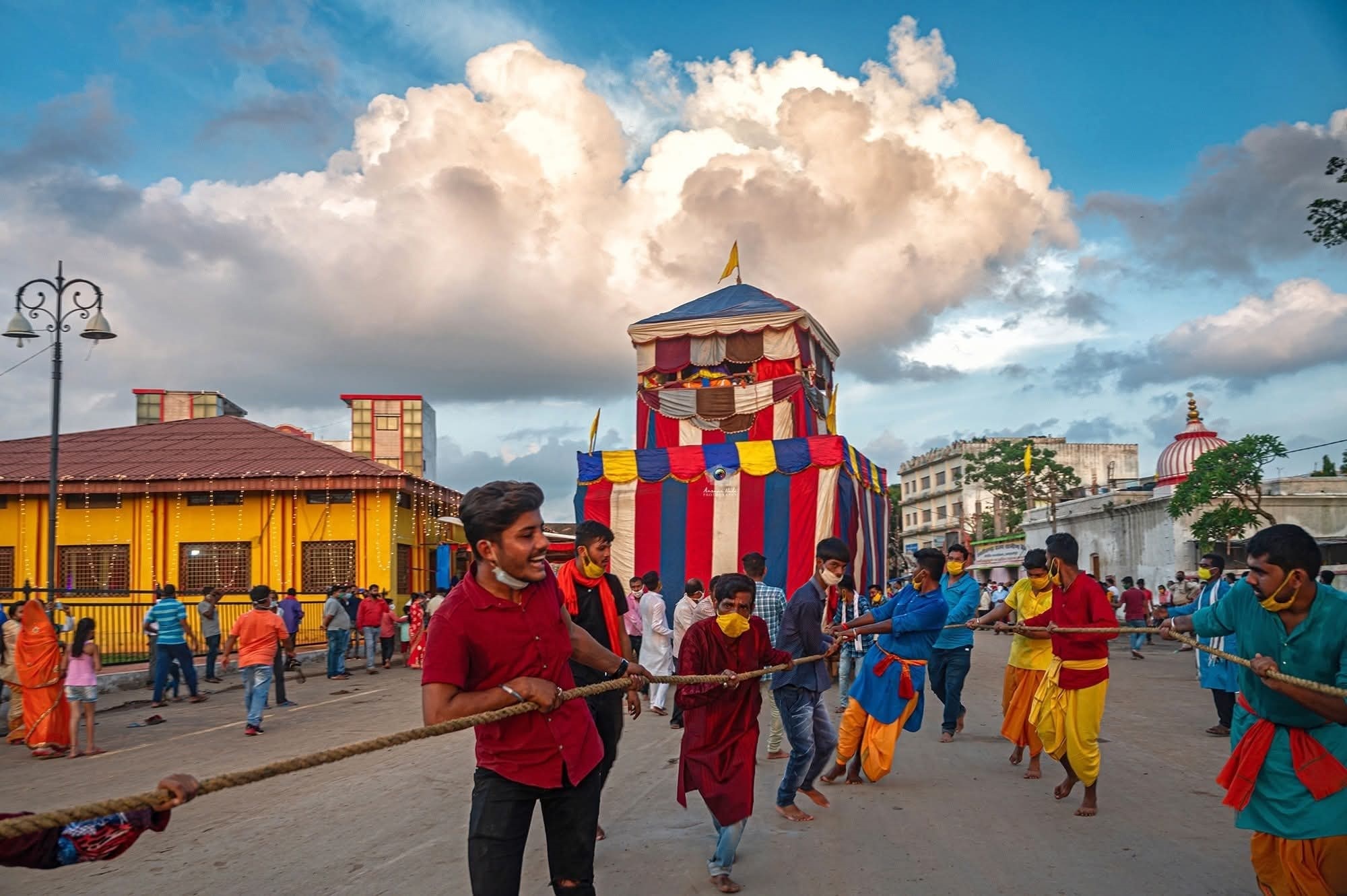
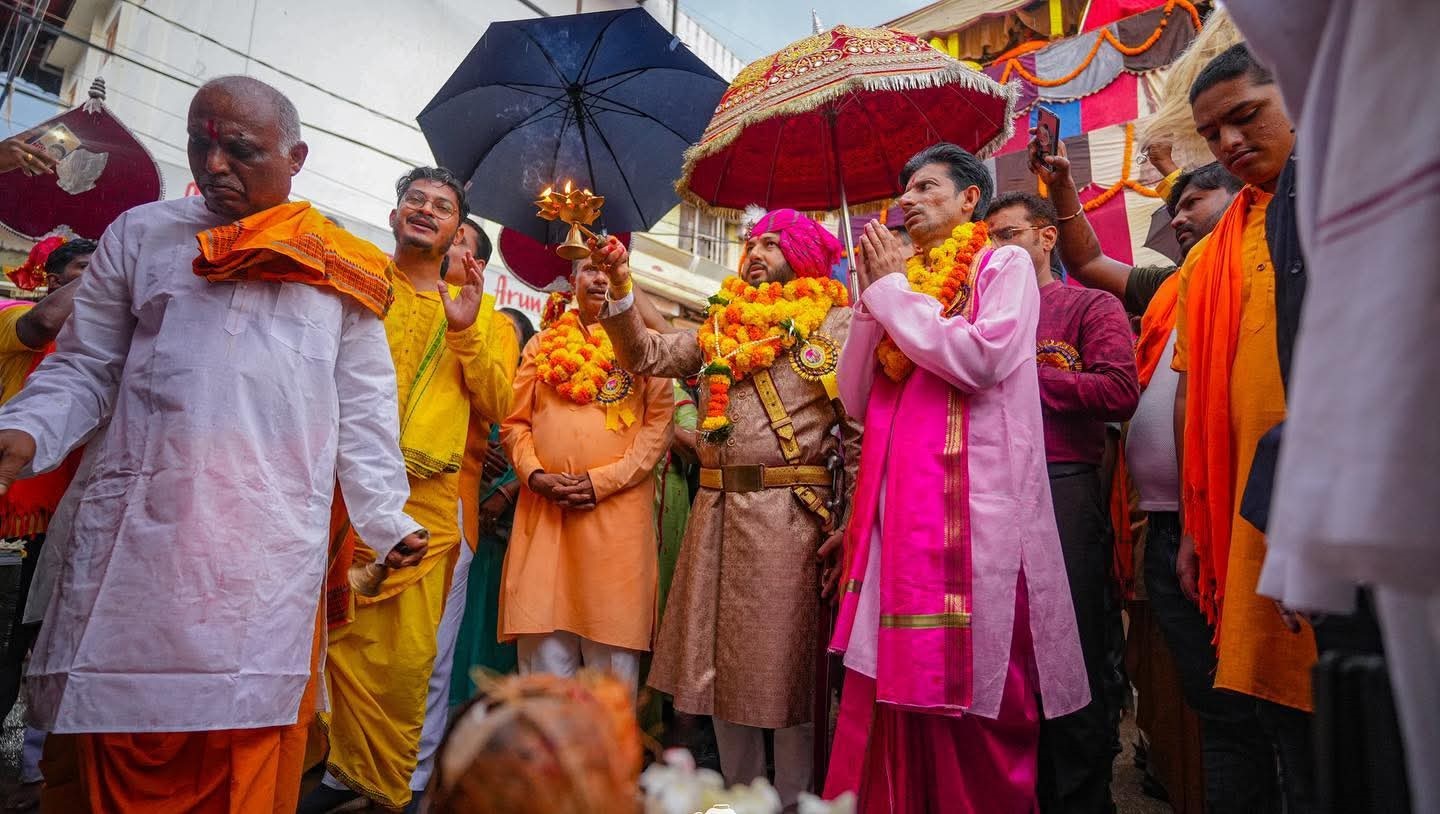
As the festival begins, Jagdalpur transforms into a vibrant cultural landscape. The focal point is the ceremonial procession of Lord Jagannath, accompanied by his siblings, who are brought out of the temple and placed upon a grand wooden chariot.
This procession, known as the Rath Yatra, is not merely a religious ritual—it is a deeply participatory event. Devotees from all walks of life come together to pull the chariot through the town, symbolizing collective devotion, equality, and shared cultural identity.
The journey itself carries profound meaning. The deities are believed to be visiting their maternal home (locally referred to as Janakpuri or Gundicha), where they reside for nine days. This tradition reflects a uniquely human dimension of divinity—where gods are not distant, but familial and accessible.
---
What truly distinguishes the Goncha Festival is its most iconic ritual—the Tupki tradition.
Amidst the rhythmic chants and festive energy, the air resonates with sharp, echoing sounds. These are not conventional firearms, but Tupki—traditional bamboo instruments used by local tribal communities. Loaded with seeds of a forest fruit known as Peng, they are fired into the air as a symbolic salute to the deity.
This practice represents an extraordinary cultural adaptation. What may have once been inspired by the concept of ceremonial gun salutes has been reinterpreted using locally available materials, resulting in a ritual that is both indigenous and symbolic. Today, the Tupki stands as a powerful emblem of Bastar’s identity—where tradition evolves while staying rooted in its environment.
---
As the days unfold, the festival extends beyond rituals into a broader cultural celebration. Local markets come alive with tribal handicrafts, traditional cuisines, and community gatherings. Music, dance, and storytelling become integral to the experience, offering visitors an immersive insight into Bastar’s living heritage.
---
The culmination of the festival is marked by the return journey of Lord Jagannath. According to tradition, Goddess Lakshmi, who remained in the temple, expresses her displeasure at the Lord’s prolonged absence. The temple doors are symbolically closed, and rituals are performed to appease her—a ceremony known as Kapaat Phera.
Only after these rites are completed is the Lord welcomed back, concluding the festival with a powerful narrative of relationship, emotion, and reconciliation within the divine realm.
---
Essence of Goncha
The Goncha Festival is far more than a regional celebration—it is a living cultural narrative where:
- Spirituality is expressed through community participation
- Tribal traditions seamlessly integrate with classical beliefs
- Nature, culture, and devotion coexist in harmony
In Bastar, faith does not remain confined within temple walls—it moves through the streets, resonates in the forests, and finds expression in the everyday lives of its people.
Each year, with the arrival of the rains, this timeless story is retold—preserving a heritage that continues to evolve, yet remains deeply rooted in its origins.
Pictures : Anzaar Nabi Photography, Rajat Jain
