


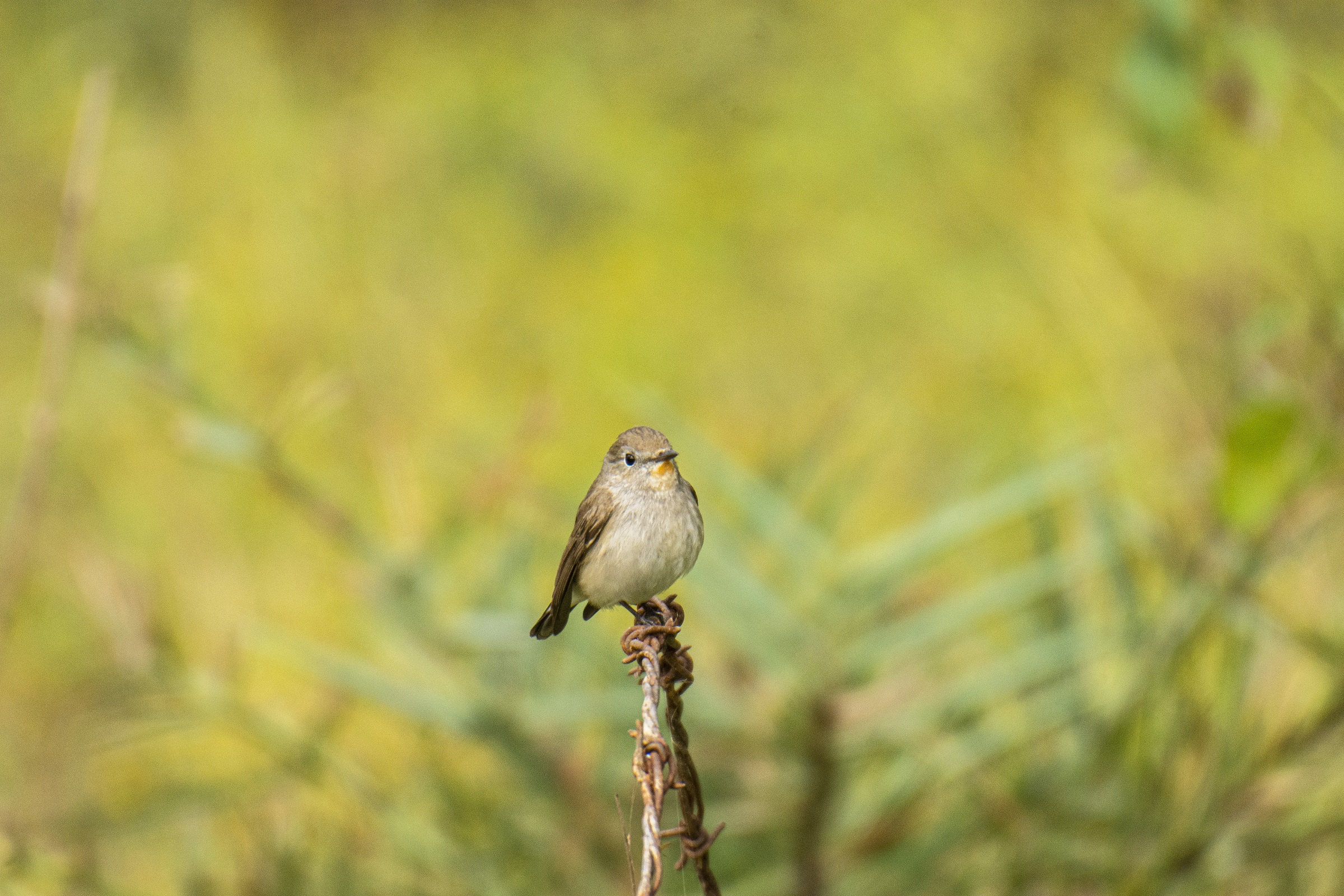
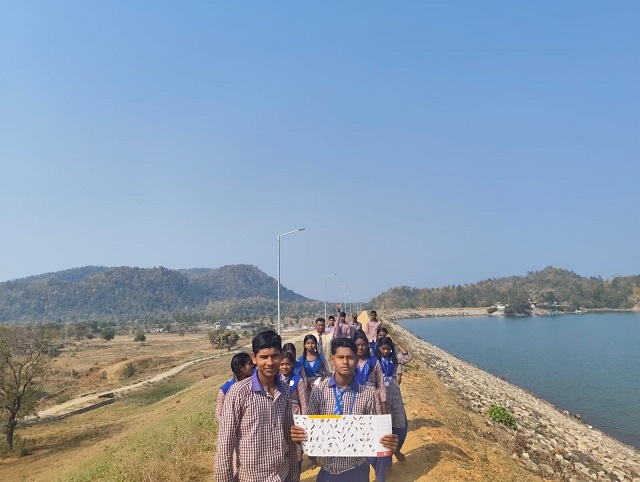
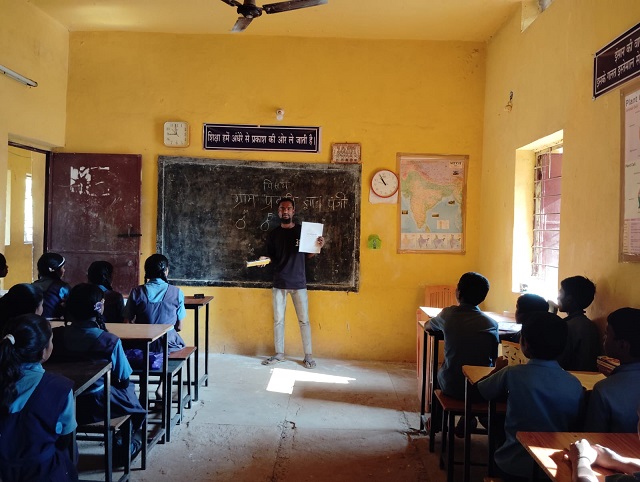
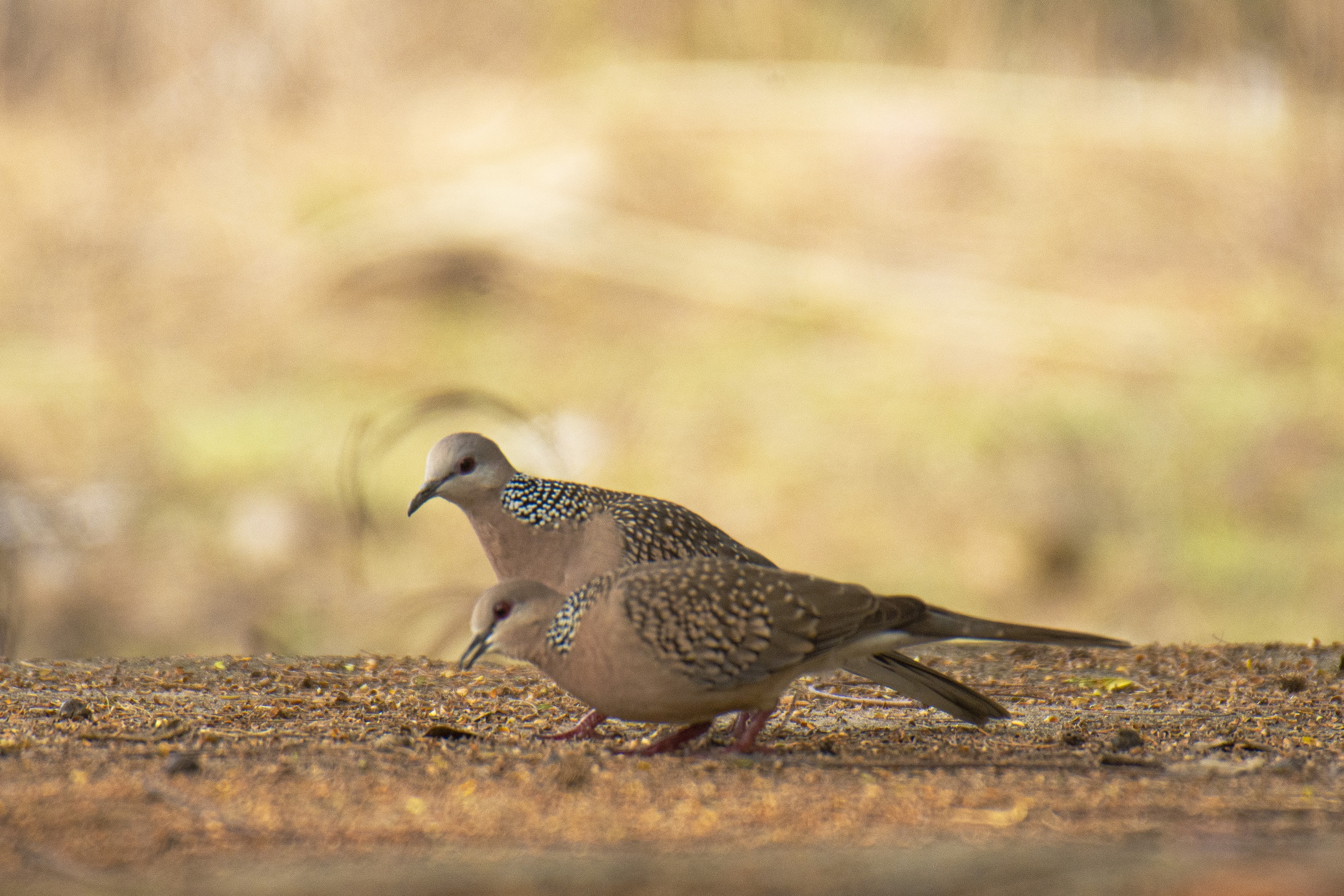
Planning & Preparation: A Digital Year with Clear Intent
Unlike previous years where physical meetings, district-level visits, and local workshops formed the backbone of preparation, GBBC 2026 was largely planned online. Continuous travel and professional commitments limited my direct involvement in district coordination. However, this limitation gradually transformed into an opportunity.
The objective was simple yet ambitious:
Ensure that every district of Chhattisgarh is represented during GBBC 2026.
Representation was not merely about submitting a checklist. It was about nurturing a sense of belonging to a global citizen science movement, especially in remote, forested, and tribal regions of the state.
Instead of conducting multiple district-specific webinars, two consolidated Hindi-language webinars were organized in collaboration with the BCI Bangalore team for Hindi belt states. These sessions saw enthusiastic participation from across northern and central India. The interactive format helped clarify data entry procedures, checklist protocols, and bird identification basics, while also motivating first-time participants.
The digital approach proved efficient. It allowed broader outreach while conserving time and energy. More importantly, it reinforced the idea that coordination does not always require physical presence — what it requires is clarity of purpose and a responsive support network.
---
The Eve of GBBC: Ritual, Anticipation, and Nervous Energy
The night before 13th February carried the familiar blend of excitement and nervousness. Years of coordination do not eliminate anticipation; in fact, they deepen it. Experience brings responsibility — and expectations.
As has become a personal ritual, GBBC 2026 began with a midnight checklist. The first entries were the dependable Asian Barn Owl and the ever-present Rock Pigeon observed at home. While small in scale, this ritual symbolizes continuity — a quiet acknowledgment that every count, no matter how large statewide numbers become, begins with an individual observer looking up at the night sky.
---
Early Momentum: A Strong and Confident Start
The first two days established immediate momentum:
- Day 1: Crossed 200 species state-wide
- Day 2: Crossed 250 species
Only a few districts remained unrepresented
The question that circulated across WhatsApp groups was straightforward:
Would Chhattisgarh surpass last year’s benchmark of 285 species?
The numbers were encouraging, but more significant were the pace. Districts that traditionally lagged were submitting early checklists. New birders were asking technical questions about data quality. Experienced observers were mentoring newcomers.
This shift from passive participation to active ownership marked a major qualitative improvement.
---
Backend Coordination: The Invisible Backbone
Large-scale citizen science efforts often appear seamless from the outside. In reality, they depend on constant communication, troubleshooting, and encouragement.
This year, backend coordination emerged as the true strength of GBBC Chhattisgarh.
Regular communication with district-level birders ensured consistent coverage. Senior contributors such as Mohit Sir, Sonu Bhai, and Jageshwar ji maintained momentum in the state. The KVNP Team in Bastar, the Gidhwa Parsada team in Bemetara, and Narendra Verma in Baloda Bazar ensured that their districts remained active throughout all four days.
The involvement of the FES team (Foundation for Ecological Security) proved transformative. Their structured community mobilization in more than 15 districts in chhattisgarh helped activate participation in tribal belts where organized birding events are still emerging. Without this decentralized activation, district-wide representation would have been significantly more difficult.
In parallel, Dr. Hit N. Tandan facilitated participation through CBC and Vigyan Sabha networks, further diversifying the participant base.
This distributed coordination model demonstrated that leadership does not need to be centralized. Instead, it thrives when trust is placed in capable district anchors.
---
Field Engagement: A Visit to Narayanpur
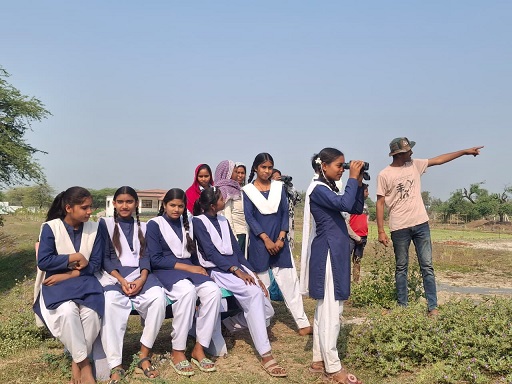
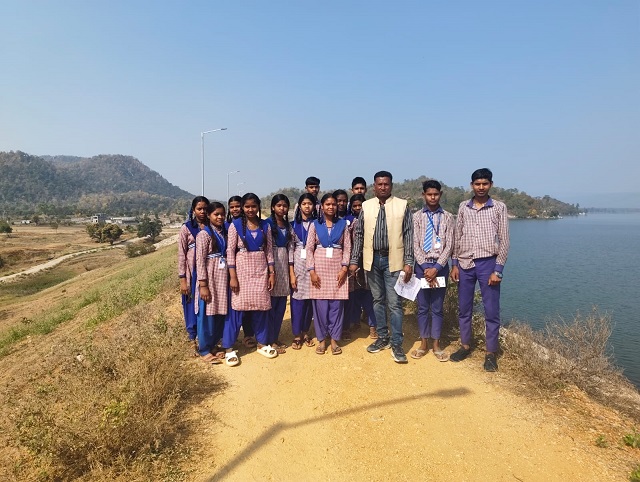
Despite travel commitments, I managed a short but meaningful visit to Narayanpur alongside Dhaneshwari Sen and her FES team. The district revealed impressive birding potential — diverse habitats, responsive communities, and genuine curiosity among participants.
For me personally, Narayanpur marked another milestone. With its coverage complete, only Sukma remains to fulfill my long-standing goal of birding across all districts of Chhattisgarh.
Such personal goals often intersect with larger state-level objectives. Completing district coverage is not merely symbolic; it strengthens local networks and ensures that remote regions are not overlooked.
---
Northern Chhattisgarh: Overcoming Temporary Gaps
Coordination in the Surguja division faced a temporary challenge due to Dr. Himanshu Gupta being out of state during GBBC. However, remote guidance and strategic activation ensured continuity.
Birders such as Narendra Verma ji, Amit Gupta ji, and Hiteshwari Paikra ji stepped forward, ensuring that northern districts were adequately represented. This adaptability reinforced a key lesson: systems must be resilient enough to function even when key individuals are temporarily unavailable.
---
District Highlights: Numbers with Narrative
While GBBC is not a competition, friendly inter-district comparison fuels enthusiasm and sustained effort.
- Bastar led the state with 214 species and was the first district to cross 200.
- Raipur followed with an impressive 193 species.
- Baloda Bazar and Dhamtari emerged as strong third and fourth performers, surprising many observers.
- Kondagaon and Kanker, relatively less-birded regions, crossed the 100-species mark.
- Sukma, Jashpur, and Dantewada performed strongly within the 70+ range.
These numbers reflect not only biodiversity but also growing observational effort. Emerging districts are no longer passive observers; they are becoming contributors.
Healthy competition encouraged better habitat coverage, longer field hours, and improved checklist accuracy.
---
Participation Milestones: Beyond Species Counts
GBBC 2026 achieved several historic milestones for Chhattisgarh:
1500+ checklists submitted — the highest ever recorded in the state during any birding event.
Strong and visible participation by women birders.
Active engagement of tribal communities in Chhattisgarh through FES networks.
Remarkable enthusiasm from youth and school-age children.
These achievements signify structural growth. Citizen science is expanding beyond urban centers into rural and forest landscapes.
Women participants, in particular, demonstrated increasing leadership in data submission and group coordination — an encouraging sign for long-term sustainability.
---
Technical Support & Smooth Coordination
Behind the scenes, the BCI Bangalore team — Mittal, Alen, Aravind, Shasank, and Praveen — monitored statewide updates and supported coordination via WhatsApp groups. Their prompt responses to technical queries ensured smooth backend operations.
In citizen science, data integrity is paramount. Efficient technical support guarantees that enthusiasm translates into usable, reliable datasets.
---
Individual & Team Contributions
Several individuals and teams played key roles in ensuring statewide representation:
· Dheeraj Katara (Kanker)
Gopi Sahu (Dhamtari)
· Raju Verma (Patan)
· Anupam Singh (Akaltara)
· Ashutosh Anand (GGU Bilaspur)
· Himanshi (Dantewada)
· Pratik & Shivdatt (Rajnandgaon)
· Khirsagar (Mahasamund)
· Dr. Alok Sahu & Nova Nature (Korba)
· Hrishikesh (OP Jindal University, Raigarh)
· Dr. J.S. Bal (Bemetara)
· Daljeet Kaur Bal (Jashpur)
· FES team members Satyawati, Moti, and Radhika
· Numerous district volunteers across the state
Their collective effort underscores a powerful truth: large achievements are built on consistent local actions.
---
Reflections: Why This Year Felt Different
GBBC 2026 was not merely about crossing species thresholds or achieving record checklist numbers.
It was about:
· Resilience during logistical constraints
· Decentralized leadership emerging organically
· Silent, steady coordination replacing top-down direction
· Stronger participation of women and tribal communities
· Youth engagement translating into sustained interest
· Growing confidence among emerging districts
· Some years mark quantitative growth.
· Some mark qualitative transformation.
GBBC 2026 reflected both.
The state’s birding network has matured. Ownership is expanding. Responsibility is shared. Momentum is no longer dependent on one coordinator but embedded across districts.
That is perhaps why this year felt different.
---
Looking Ahead
With only Sukma remaining in my personal district birding journey, and with district-level leadership strengthening statewide, the foundation for GBBC 2027 is already in place.
The focus ahead will be:
- · Strengthening data quality and rare bird documentation
- · Expanding structured youth training
- · Encouraging year-round bird monitoring
Enhancing representation from under-birded habitats
GBBC is a four-day event, but its impact is year-round. It builds networks, fosters awareness, and transforms casual observers into conservation ambassadors.
As we close GBBC 2026, the sentiment is one of gratitude — for volunteers, coordinators, communities, and the birds that bring us together.
Some years feel different.
This was one of them.
Onwards to GBBC 2027.
Content-
Hakimuddin F. Saify
BCI Regional Coordinator - Chhattisgarh
PC - Jayant Jaiswal, Manjeet Kaur

